

Professionally Reviewed By Fiona Lai, Registered Dietitian
You may have heard about probiotics and prebiotics, but there’s another vital piece in the gut health puzzle called short-chain fatty acids (SCFAs). These naturally occurring compounds are produced when your gut bacteria ferment dietary fiber, and they play an essential role in digestive, metabolic, and immune function (1).
Understanding how Short-Chain Fatty Acids work — and how to support their production — can help you build a stronger, more resilient gut ecosystem.
What Are Short-Chain Fatty Acids?
Short-chain fatty acids (SCFA) are small molecules made when beneficial bacteria in the colon ferment non-digestible carbohydrates like dietary fibers and resistant starch. The three main short-chain fatty acids are acetate, propionate, and butyrate, which together make up the majority of the body’s intestinal fatty acid pool (1).
Each type serves a distinct, but complementary purpose (2, 3):
- Acetate supports energy metabolism and acts as a substrate for cholesterol and lipid synthesis.
- Propionate is transported to the liver, where it helps regulate glucose production and may influence appetite hormones.
- Butyrate fuels colon cells (colonocytes), strengthens the intestinal lining, and reduces inflammation — making Butyrate particularly important for gut barrier health.
These fatty acids don’t just stay in the gut. They also travel through the bloodstream to influence energy balance, immunity, and even brain health via the gut–brain axis (4, 5, 6).
How Short-Chain Fatty Acids Are Produced
Short-Chain Fatty Acids are formed through a process called microbial fermentation in our colon (1, 2).
Dietary fibers, also known as complex carbohydrates (some act as prebiotics), are found in vegetables, fruits, legumes, and whole grains. These fibers cannot be digested by digestive enzymes and therefore reach the large intestine largely intact (2).
There, the good gut bacteria (probiotics) ferment these fibers, breaking them down into short-chain fatty acids (SCFAs) and other beneficial metabolites, that work to regulate and maintain our gut health.
In other words, fiber (prebiotic) is the raw material, and gut bacteria (probiotic) are the manufacturers. Without sufficient dietary fiber or a good, balanced microbiome, your body simply cannot produce enough short-chain fatty acids to maintain gut health. (2, 8, 9)

Why a Healthy Microbiome and Types of Fiber Matter
A diverse and balanced gut bacteria is essential for efficient short-chain fatty acids production. However, these bacteria thrive only when they have enough fermentable fiber to consume (10).
When fiber intake drops — due to highly processed diets, low fruit and vegetable consumption, or lifestyle stressors — short-chain fatty acids production also declines.
And the lack of short-chain fatty acids can lead to several issues (11, 12, 13):
- Reduced energy for colon cells, weakening the intestinal barrier.
- Increased gut inflammation, as butyrate’s anti-inflammatory signaling is lost.
- Slower digestion and irregularity, due to impaired bowel motility.
A well-functioning gut microbiome, supported by a fiber-rich diet, ensures steady short-chain fatty acids production, which keeps your digestive system working smoothly and your gut lining resilient.
Dietary Fibers That Promote Short-Chain Fatty Acids Production
Not all fibers are equal when it comes to producing short-chain fatty acids. Some types are more fermentable and particularly effective at stimulating short-chain fatty acidslike butyrate production in the colon (14, 15, 16, 17),
- Inulin: Found in garlic, leeks, onions, artichokes, wheat, and asparagus. It’s also a common type of prebiotic supplement.
- Fructooligosaccharides (FOS): Found naturally in bananas, onions, and asparagus. Also another common type of prebiotic supplement.
- Guar Gum: Extracted from guar beans; often available as hydrolysed fiber supplements e.g. partially hydrolysed guar gum extract PHGG.
- Resistant Starch: Found in cooled cooked potatoes, rice, beans, and green bananas.
- Pectin: Present in apples, apricots, carrots, and citrus fruits.
- Arabinoxylan: The dominant fiber in wheat bran and other cereal grains.
Eating a variety of these fibers supports microbial diversity and provides the substrate needed for your gut bacteria to generate short-chain fatty acids, including butyrate.
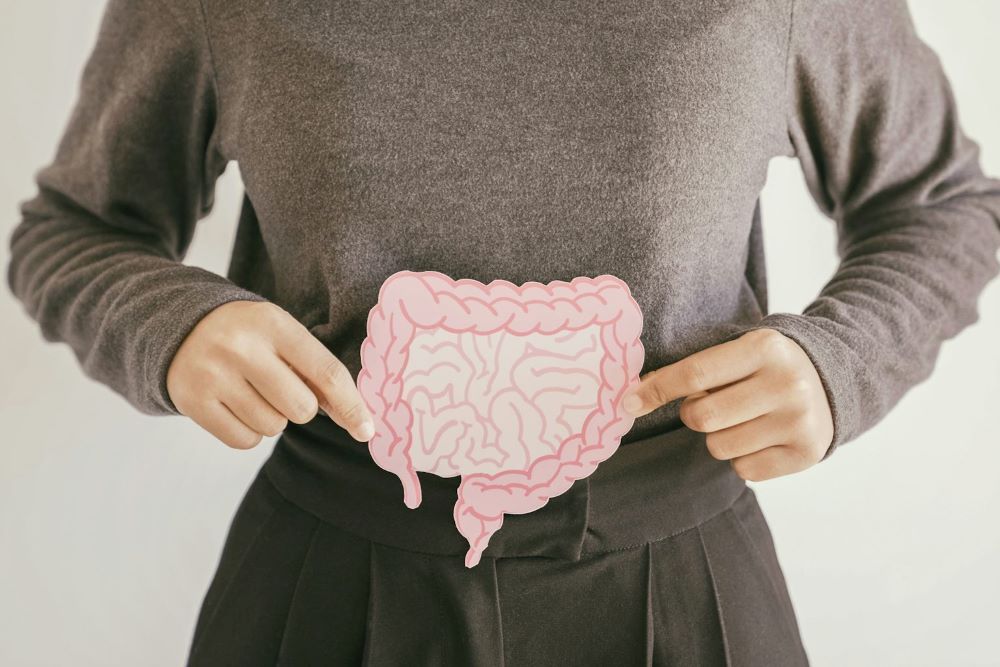
The Benefits of Short-Chain Fatty Acids for Gut and Overall Health
- Fuel for Colon Cells (11,13)
Short-chain fatty acids like Butyrate provides up to 70% of the energy used by colonocytes, the cells lining your colon. This energy supports tissue renewal, barrier maintenance, and fluid balance of the colon, which is crucial to maintain strong gut health. Learn more about Butyrate here:
- Anti-Inflammatory Effects (11,13)
Short-chain fatty acids help to regulate the immune system by reducing pro-inflammatory cytokines. In this way, they protect against chronic inflammation that contributes to digestive disorders such as Irritable Bowel Syndrome (IBS) and Inflammatory Bowel Disease (IBD).
- Gut Barrier Protection (11, 18)
By strengthening tight junctions between intestinal cells, short-chain fatty acids prevent “leaky gut,” where harmful substances could otherwise pass into the bloodstream and trigger systemic inflammation.
- Improved Bowel Regularity (13)
Short-chain fatty acids help to normalize bowel movements, improving symptoms like bloating, constipation, and diarrhea.
- Microbial Balance (10)
Lowering the pH of the colon, short-chain fatty acids create an environment that discourages harmful bacteria and encourages beneficial strains to flourish.
Beyond the gut, short-chain fatty acids also circulate through the bloodstream, where they influence energy metabolism, insulin sensitivity, and even brain function through gut–brain communication (5, 13).
How to Improve and Support Short-Chain Fatty Acids Production
The best way to support healthy short-chain fatty acids levels is to nourish the bacteria that make them. You can do this by:
- Eating a fiber-rich diet: Refer to the list of short-chain fatty acids-friendly fiber sources recommended earlier.
- Including fermented foods: Yogurt, kefir, kimchi, and sauerkraut can help maintain microbial diversity.
- Staying hydrated: Water helps fiber move smoothly through the digestive tract.
- Limiting highly processed foods: These are often low in fiber and can disrupt microbial balance.
In certain cases, Butyrate supplements can also provide direct support for colon health — particularly when dietary fiber intake or good gut microbiome cannot be achieved due to certain digestive disorders, lifestyle or illness. Learn more about Butyrate supplements here.
Why Probiotics and Prebiotics Still Matter
While short-chain fatty acids offer various gut health benefits, they cannot exist without probiotics and prebiotics to build a healthy, well-balanced gut ecosystem together.
Beyond SCFA production, probiotics also provide functions that SCFAs alone cannot replace. They help to maintain microbial diversity, compete against harmful bacteria, regulate immune activity, and support digestive enzyme functions essential for nutrient absorption, while prebiotics complement this by selectively nourishing these beneficial bacteria, so that a stable, balanced gut ecosystem can be maintained in the long run (17, 18).
Conclusion
Short-chain fatty acids are the unsung heroes of digestive health. Produced by your gut bacteria from the fiber you eat, they strengthen colon cells, reduce inflammation, and maintain intestinal balance.
By nurturing your microbiome with a high fiber diet and mindful lifestyle, you can naturally enhance short-chain fatty acids production — supporting not just your gut, but your overall wellbeing from the inside out.
About the Reviewer
Fiona Lai is a registered dietitian of the Malaysian Dietitians’ Association (MDA), with over five years of combined professional dietetics experience in the nutraceutical industry. She specialises in nutrition advisory, product formulation and professional training for healthcare workers. A periodic guest columnist with local news media such as The Star, Fiona is passionate about translating science into practical nutrition that nurtures balanced, lasting wellness.
References :
- Healthline Editorial Team. (2025, August 26). How Short-Chain Fatty Acids Affect Health and Weight. Healthline. https://www.healthline.com/nutrition/short-chain-fatty-acids-101
- Koh, A., et al (2016). From Dietary Fiber to Host Physiology: Short-Chain Fatty Acids as Key Bacterial Metabolites. Cell, 165(6), 1332–1345. https://doi.org/10.1016/j.cell.2016.05.041
- Bose, S., Ramesh, V., & Locasale, J. W. (2019). Acetate Metabolism in Physiology, Cancer, and Beyond. Trends in cell biology, 29(9), 695–703. https://doi.org/10.1016/j.tcb.2019.05.005
- den Besten, G., et al (2013). The role of short-chain fatty acids in the interplay between diet, gut microbiota, and host energy metabolism. Journal of Lipid Research, 54(9), 2325–2340. https://doi.org/10.1194/jlr.R036012
- Dalile, B., Van Oudenhove, L., Vervliet, B., & Verbeke, K. (2019). The role of short-chain fatty acids in microbiota–gut–brain communication. Nature Reviews Gastroenterology & Hepatology, 16(8), 461–478. https://doi.org/10.1038/s41575-019-0157-3
- Silva, Y. P., Bernardi, A., & Frozza, R. L. (2020). The role of short-chain fatty acids from gut microbiota in gut-brain communication. Frontiers in Endocrinology, 11, 25. https://doi.org/10.3389/fendo.2020.00025
- Healthline Editorial Team. (2025, August 26). The proven and potential benefits of butyric acid. Healthline. https://www.healthline.com/nutrition/butyric-acid
- Mueller, N. T., et al (2020). Effects of high-fiber diets enriched with carbohydrate, protein, or unsaturated fat on circulating short chain fatty acids: results from the OmniHeart randomized trial. The American journal of clinical nutrition, 111(3), 545–554. https://doi.org/10.1093/ajcn/nqz322
- Yang, Q., et al (2020). Role of Dietary Nutrients in the Modulation of Gut Microbiota: A Narrative Review. Nutrients, 12(2), 381. https://doi.org/10.3390/nu12020381
- Cummings, J. H., & Macfarlane, G. T. (2002). Gastrointestinal effects of prebiotics. British Journal of Nutrition, 87(S2), S145–S151. https://doi.org/10.1079/BJN2002530
- Canani et al (2011). Potential beneficial effects of butyrate in intestinal and extraintestinal diseases. World Journal of Gastroenterology, 17(12), 1519–1528. https://doi.org/10.3748/wjg.v17.i12.1519
- Vinolo, M. A. R., et al (2011). Regulation of inflammation by short chain fatty acids. Nutrients, 3(10), 858–876. https://doi.org/10.3390/nu3100858
- den Besten, G., et al (2013). The role of short-chain fatty acids in the interplay between diet, gut microbiota, and host energy metabolism. Journal of Lipid Research, 54(9), 2325–2340. https://doi.org/10.1194/jlr.R036012
- Yang, Q., et al (2020). Role of Dietary Nutrients in the Modulation of Gut Microbiota: A Narrative Review. Nutrients, 12(2), 381. https://doi.org/10.3390/nu12020381
- van der Beek, et al (2018). The prebiotic inulin improves substrate metabolism and promotes short-chain fatty acid production in overweight to obese men. Metabolism: clinical and experimental, 87, 25–35. https://doi.org/10.1016/j.metabol.2018.06.009
- Peng, M., et al (2020). Effectiveness of probiotics, prebiotics, and prebiotic-like components in common functional foods. Comprehensive reviews in food science and food safety, 19(4), 1908–1933. https://doi.org/10.1111/1541-4337.12565
- Green, M., Arora, K., & Prakash, S. (2020). Microbial Medicine: Prebiotic and Probiotic Functional Foods to Target Obesity and Metabolic Syndrome. International journal of molecular sciences, 21(8), 2890. https://doi.org/10.3390/ijms21082890
- Peng, L., Li, Z. R., Green, R. S., Holzman, I. R., & Lin, J. (2009). Butyrate enhances the intestinal barrier by facilitating tight-junction assembly via activation of AMP-activated protein kinase. The Journal of Nutrition, 139(9), 1619–1625. https://doi.org/10.3945/jn.109.104638