

Stress and anxiety are not merely mental experiences, or some say, just “feelings”, but are a whole-body phenomenon involving intricate communication among your brain, hormones, nervous system, gut, and even your respiratory and digestive health [1-4].
When these systems operate in balance, the body maintains resilience and emotional stability. But when one or more systems fall out of sync—whether through chronic stress, circadian disruption, nutrient deficiencies, or gut inflammation—your body can remain in a persistent “fight or flight” mode that drains energy, affects digestion, disrupts sleep, and worsens anxiety symptoms [1, 3-7].
What Are Stress and Anxiety?
Stress is the body’s natural response to perceived challenges or threats. It mobilises hormones such as cortisol and adrenaline to help you react and adapt [2]. Anxiety, on the other hand, arises when this stress response becomes prolonged or exaggerated, persisting even in the absence of immediate danger [10].
While short bursts of stress can sharpen focus or motivation, chronic stress over time disrupts nearly every biological system—from your gut microbiome to your cardiovascular and immune health [5].
In Malaysia, stress-related disorders are among the top contributors to mental-health consultations [4]. Stress and anxiety also frequently co-exist with digestive disorders such as GERD or IBS [8], hormonal imbalance, chronic pain, insomnia, and nasal or respiratory conditions that affect breathing [9]. Understanding how these systems interact is essential to managing symptoms effectively.
Common Symptoms of Chronic Stress and Anxiety
Emotional and cognitive symptoms [1]
- Persistent worry, racing thoughts, or mental fatigue
- Difficulty concentrating or making decisions
- Increased irritability or mood swings
- Restlessness, dread, or panic sensations
Physical symptoms [2, 3]
- Muscle tension, jaw clenching, or headaches
- Palpitations, chest tightness, or shortness of breath
- Digestive disturbances such as acid reflux, bloating, or IBS [8]
- Fatigue despite adequate res
- Sleep disturbances, especially early-morning awakening [11]
Behavioural symptoms [1]
- Avoidance of certain tasks or social settings
- Over-reliance on caffeine, alcohol, or comfort food
- Difficulty relaxing, even in safe environments
Common Contributing Factors
Many triggers and physiological imbalances can sustain or worsen stress and anxiety (1, 4, 7),
- Chronic psychological stress or trauma that keeps the nervous system hyperactive
- Irregular circadian rhythms due to late-night light exposure or inconsistent sleep-wake timing (12, 13)
- Nutrient deficiencies (particularly magnesium, B vitamins, and omega-3s) that impair neurotransmitter regulation (14, 15)
- Gut microbiome imbalance affecting serotonin and GABA production (6-7, 16)
- Digestive conditions such as GERD or gastritis, which amplify discomfort and trigger stress loops (8)
- Poor nasal or respiratory health, leading to shallow mouth breathing that heightens the body’s stress response (9)
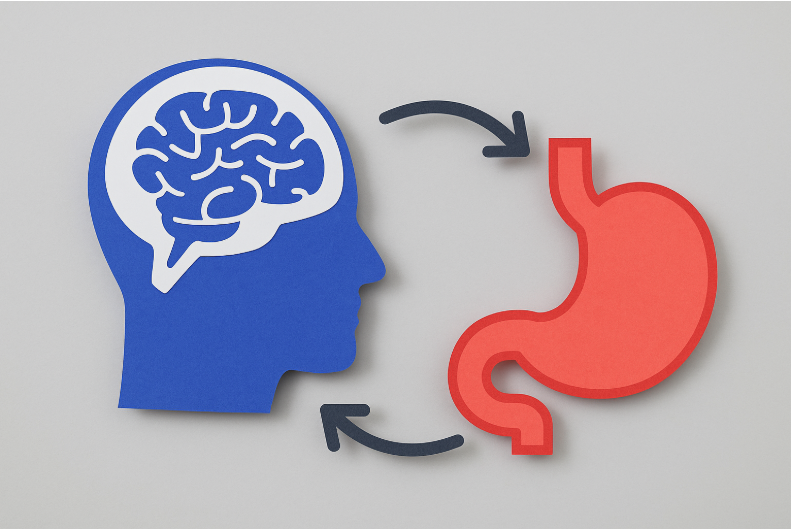
The Role of Gut-Brain Axis
Your gut and brain are constantly in conversation through the gut-brain axis—a sophisticated two-way communication network linking the enteric and central nervous systems via neural, hormonal, and immune pathways (3, 6, 16).
This system influences far more than digestion—it shapes how you think, feel, and respond to stress. About 90% of the body’s serotonin, a key neurotransmitter involved in mood and anxiety regulation, is produced in the gut (7, 16). The microbiome also affects GABA, the brain’s primary calming signal that helps control nervous tension and promote emotional stability (6).
When this internal ecosystem becomes unbalanced—through stress, poor diet, inflammation, or antibiotic use—the communication between gut and brain weakens, amplifying anxiety and stress responses (16).
That’s why growing research now points toward probiotics — the good gut bacteria that help restore microbial balance—including the new specialised probiotics for emotional regulation called Psychobiotics (17).
Psychobiotics: Probiotics for Mental Wellbeing
Psychobiotics are specialised probiotics that support emotional well-being by influencing the gut-brain axis (17-19). These beneficial bacteria interact with the nervous system through chemical messengers such as serotonin, GABA, and dopamine—helping to stabilise mood and regulate stress responses (6).
Clinical studies show that certain Lactobacillus and Bifidobacterium strains may help reduce cortisol levels, modulate inflammation, and improve perceived stress and anxiety in select populations (18, 19).
By enhancing the gut’s microbial balance, psychobiotics help restore the smooth communication between the gut and brain that chronic stress often disrupts (17-19).
While research is still evolving, psychobiotics are increasingly recognised as part of a comprehensive, adjunctive approach to mental wellness—complementing nutritional, behavioural, and lifestyle strategies rather than replacing them (17-19).
Short-Chain Fatty Acids (SCFAs): Nourishing the Gut-Brain Axis
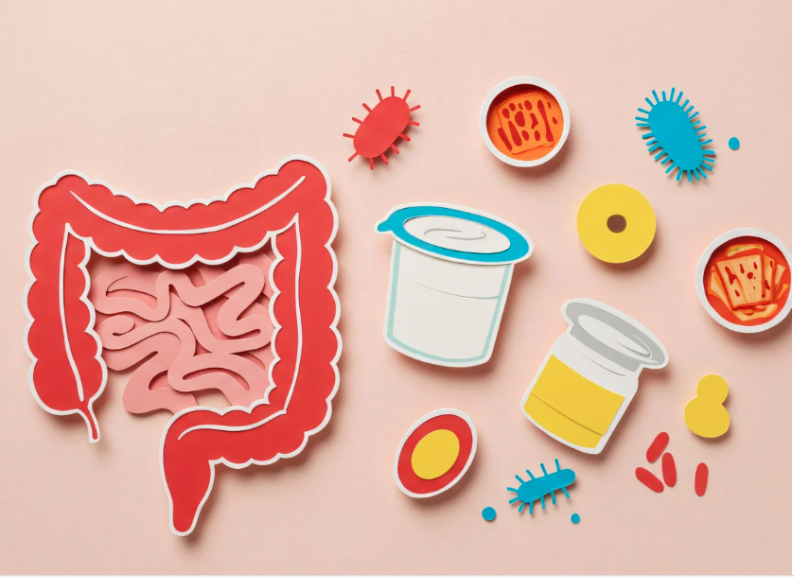
Another key mechanism behind the gut’s influence on mood lies in another lesser-known short-chain fatty acids (SCFAs)—notably butyrate, acetate, and propionate—which are produced when beneficial gut bacteria ferment dietary fibers (20–23).
SCFAs play a powerful role in maintaining emotional stability and gut integrity, such as:
- Strengthen the intestinal barrier, reducing “leaky gut” and inflammatory signals that heighten stress sensitivity (20, 21)
- Regulate the hypothalamic–pituitary–adrenal (HPA) axis, helping the body reset its stress-response loop (22)
- Support neurotransmitter synthesis, including serotonin and GABA, promoting a calmer mental baseline (23)
To naturally boost SCFA production, consume a variety of fiber-rich plant foods such as whole grains, legumes, fruits, and vegetables. Fermented foods like kefir, sauerkraut, and kimchi offer an added benefit by introducing live microbes that assist fermentation (20, 23)
For individuals with sensitive digestion or gut inflammation, it may help to increase fiber gradually or explore postbiotic or SCFA supplements such as Butyrate, which is the SCFA that provides up to 70% colon cell energy needs. (23) Learn more about Butyrate and SCFA here:
Nutrients That Support Calm and Resilience
Nutrition is a foundational part of managing stress—it provides the raw materials your nervous system needs to stabilise mood, regulate hormones, and maintain energy balance.
Magnesium
Known as nature’s relaxant, magnesium supports GABAergic signaling and reduces muscle tension (24). Chronic stress depletes magnesium, which leads to heightened anxiety and poor sleep quality (25).
There are many types of magnesium, with common forms including magnesium citrate, glycinate, oxide, and malate, each varying in absorption and effects. Among them, the glycinate form i.e. Magnesium Glycinate, is often preferred for stress and sleep regulation (25). Learn more about Magnesium here.
B Vitamins
Essential for mood stability, energy metabolism, and neurotransmitter synthesis, B vitamins—particularly B6, B12, and folate—support the conversion of amino acids into serotonin and dopamine, two key messengers that regulate mood and stress resilience (14, 15).
Chronic stress and poor dietary intake can deplete B vitamins, contributing to fatigue, irritability, and low mood (14, 15).
Food sources include whole grains, legumes, leafy greens, eggs, and lean meats. In supplementation, methylated forms such as methylcobalamin (B12) and methylfolate (B9) are often preferred for better absorption and bioavailability (37).
Tryptophan and Zinc
Both tryptophan and zinc play essential roles in maintaining mood balance and regulating the body’s stress response (26, 27).
Tryptophan is an amino acid that serves as a building block for serotonin and melatonin—neurochemicals that influence calmness, emotional stability, and sleep regulation. Low levels can contribute to heightened anxiety, irritability, and restless sleep (26).
Zinc, on the other hand, helps modulate stress hormones and supports neurotransmitter function while strengthening immune defences. Chronic stress, inflammation, and poor dietary intake can deplete zinc, compounding emotional and physical fatigue (27).
Malaysian dietary surveys show suboptimal zinc intake in several population groups (28) (Malaysian J Nutr 2023). A balanced, protein-rich diet—including seafood and legumes—supports adequate tryptophan and zinc for emotional resilience.
How GERD and Digestion are Related to Stress and Anxiety
Stress and digestive health are deeply intertwined (8, 29).
Chronic anxiety can alter stomach acid production, delay gastric emptying, and exacerbate reflux symptoms such as heartburn or throat irritation. At the same time, unresolved reflux discomfort can perpetuate stress and anxiety—creating a self-reinforcing loop (29).
Simple adjustments can reduce reflux-related anxiety triggers:
- Eat smaller, slower meals and avoid lying down for at least 2–3 hours after eating
- Limit caffeine, alcohol, and very fatty or spicy foods
- Support mucosal healing with soothing compounds such as hyaluronic acid or fenugreek fibre (galactomannan), which help repair and protect the digestive lining. Unlike acid-suppressing drugs that only reduce acid, mucosal-protective nutrients focus on healing the tissue itself, making them valuable additions to long-term digestive care (30, 31).

Breathing, Nasal Health, and the Body’s Stress Response
How you breathe affects how your body perceives safety. Chronic mouth breathing or nasal congestion can promote shallow, rapid breathing, which activates the sympathetic (“fight-or-flight”) system (9).
Optimising nasal breathing can calm the nervous system and improve oxygen exchange. Supportive strategies include:
- Regular saline nasal rinses to reduce inflammation and congestion (9)
- Humidified air to ease dryness and improve breathing comfort (9).
- Xylitol-enriched nasal sprays, shown to help with chronic rhinosinusitis and post-nasal irritation (9)
- Slow breathing exercises, such as diaphragmatic or box breathing, which stimulate the vagus nerve and activate the body’s “rest and digest” mode (32, 33)
The Role of Circadian Rhythm and Light
The body’s internal clock regulates both cortisol and melatonin (12, 34). Excess blue light at night or insufficient daylight exposure during the day can confuse this rhythm, amplifying anxiety and fatigue (34, 35).
To recalibrate:
- Get morning sunlight within the first hour of waking (34)
- Dim lights 2–3 hours before bedtime (34)
- Avoid screens late at night or use warm-light filters to protect your natural melatonin release (35)
Managing Stress is a Whole-Body Process
Managing stress and anxiety is rarely solved by a single fix. It requires a whole-body approach that integrates your nervous system, gut-brain axis, metabolic health, and breathing rhythm (1, 4, 6).
Think of calm as a state you train your body to recognise—not a switch you can simply flip.
Actionable Steps
- Establish a daily rhythm: regular sleep-wake times, balanced meals, and scheduled breaks (12–14)
- Include magnesium-rich and SCFA-supporting foods in your diet (20–25)
- Practise slow, nasal breathing or mindfulness exercises to downshift stress responses (32, 33)
- Limit caffeine and alcohol if they worsen anxiety or reflux (8, 29)
- If persistent digestive symptoms, insomnia, or panic episodes occur, consult a healthcare provider for evaluation (1, 4)
If symptoms persist for more than 3 months or begin to interfere with daily functioning, seek professional help promptly. Chronic anxiety can be effectively managed with a combined approach involving nutrition, lifestyle modification, and evidence-based therapies (1, 2).
Disclaimer: This article does not intend to replace professional medical advice, diagnosis, or treatment. Always seek the advice of a qualified healthcare provider for any questions or concerns regarding your health.
References
- World Health Organization. Anxiety disorders. Geneva: WHO; 2025. Available from: https://www.who.int/news-room/fact-sheets/detail/anxiety-disorders
- Harvard Health Publishing. Understanding the stress response. Harvard Medical School; 2024. Available from: https://www.health.harvard.edu/staying-healthy/understanding-the-stress-response
- Healthline. The gut-brain connection: How it works and the role of nutrition. Healthline Media; 2025. Available from: https://www.healthline.com/nutrition/gut-brain-connection
- Ministry of Health Malaysia. National Mental Health Strategic Plan 2020–2025. Putrajaya: MOH; 2020.
- Dhabhar FS. Effects of stress on immune function: the good, the bad, and the beautiful. Immunol Res. 2014;58(2–3):193–210.
- Bonaz B, Bazin T, Pellissier S. The vagus nerve at the interface of the microbiota–gut–brain axis. Front Neurosci. 2018;12:49.
- Appleton J. The gut–brain axis: Influence of microbiota on mood and mental health. Integr Med (Encinitas). 2018;17(4):28–32.
- Lindam A, Ilvered R, Jansson C. Gastroesophageal reflux and sleep disturbances: Bidirectional association. PLoS One. 2016;11(6):e0156916.
- Weissman JD, Fernandez F, Hwang PH. Xylitol nasal irrigation in chronic rhinosinusitis: A randomized controlled trial. Laryngoscope. 2011;121(11):2468–2472.
- American Psychological Association. Stress and anxiety: What’s the difference? APA; 2023. Available from: https://www.apa.org/topics/stress-anxiety-difference
- Harvard Health Publishing. Sleep problems and early-morning awakening. Harvard Medical School; 2023. Available from: https://www.health.harvard.edu/staying-healthy/sleep-problems-and-early-morning-awakening
- Hartstein LE, LeBourgeois MK, Berdugo M, et al. High sensitivity of melatonin suppression to evening light. J Pineal Res. 2022;72(4):e12796.
- Rahman SA, St Hilaire MA, Lockley SW. Temporal dynamics of melatonin and cortisol under light exposure. Sci Rep. 2019;9:19720.
- Young LM, Pipingas A, White DJ, et al. B-vitamin supplementation and mood: systematic review and meta-analysis. Nutrients. 2019;11(10):2232.
- Mahdavifar B, Hosseini SR, Mirzaei A, et al. Dietary intake of B vitamins and risk of depression: systematic review. J Affect Disord. 2021;288:92–102.
- Carabotti M, Scirocco A, Maselli MA, Severi C. The gut–brain axis: Interactions between enteric microbiota and the nervous systems. Ann Gastroenterol. 2015;28(2):203–209.
- Dinan TG, Stanton C, Cryan JF. Psychobiotics: A novel class of psychotropic. Biol Psychiatry. 2013;74(10):720–726.
- Chong HX, Yusoff NAA, Hor YY, et al. Lactobacillus plantarum DR7 improved psychological parameters and cortisol in stressed adults. Clin Nutr. 2019;38(5):2053–2064.
- Tian P, Wang G, Zhao J, Zhang H, Chen W. Bifidobacterium breve CCFM1025 attenuates depressive-like behavior and modulates gut microbiota in mice. Nutrients. 2020;12(7):1916.
- O’Riordan KJ, Collins MK, Moloney GM, et al. Short-chain fatty acids: Microbial metabolites for gut–brain communication. Neurosci Biobehav Rev. 2022;136:104586.
- Silva YP, Bernardi A, Frozza RL. The role of SCFAs from gut microbiota in brain diseases: mechanisms and therapeutic potential. Front Neurosci. 2020;14:25.
- Donohoe DR, Garge N, Zhang X, et al. The microbiome and butyrate regulate energy metabolism and autophagy in the colon. Cell Metab. 2011;13(5):517–526.
- Hodgkinson K, Zhai H, Zong G, et al. Butyrate’s role in human health and current progress. Food Chem. 2023;399:133903.
- Rawji A, Paternoster R, Chen L. Supplemental magnesium for mild anxiety and insomnia: Narrative review. J Integr Complement Med. 2024;30(6):e1–e10.
- Hausenblas HA, Perry AC, Saha D, et al. Magnesium-L-threonate improves sleep quality and mood: randomized trial. Sleep Med X. 2024;6:100102.
- Jenkins TA, Nguyen JCD, Polglaze KE, Bertrand PP. Influence of tryptophan and serotonin on mood and cognition. Adv Nutr. 2016;7(5):849–857.
- Afzali A, Dolatshahi B, Mohammadinejad P, et al. Zinc supplementation and depressive/anxiety symptoms: Randomized clinical trial. Open Public Health J. 2021;14:537–544.
- Malaysian Journal of Nutrition. Review of recommended energy and nutrient intake values in Southeast Asian countries. MJN. 2023;29(2):129–148. Available from: https://nutriweb.org.my/mjn
- Tan X, Wang Z, Chen Y, et al. Bidirectional correlation between GERD and sleep problems: systematic review and meta-analysis. PeerJ. 2024;12:e17202.
- Savarino V, Pace F, Scarpignato C, et al. Hyaluronic acid–chondroitin sulphate bioadhesive + PPI vs PPI in non-erosive reflux disease. Aliment Pharmacol Ther. 2017;45(5):631–642.
- Abenavoli L, Procopio AC, Barbieri F, et al. Galactomannan-based mucosal barrier for GERD symptoms: Effectiveness and tolerability. Eur Rev Med Pharmacol Sci. 2021;25(8):4128–4138.
- Fincham GW, Castrén E, Tompa T, et al. Effect of breathwork on stress and mental health: meta-analysis. Sci Rep. 2023;13:21738.
- Bentley TGK, Dehghan A, et al. Breathing practices for stress and anxiety reduction: systematic review. Front Public Health. 2023;11:1203671.
- Harvard Health Publishing. Circadian rhythm and your health. Harvard Medical School; 2023. Available from: https://www.health.harvard.edu/staying-healthy/circadian-rhythm-and-sleep
- WebMD. Light and sleep: How exposure affects your body clock. WebMD LLC; 2024. Available from: https://www.webmd.com/sleep-disorders/features/light-and-sleep