Reviewed by Dietitian Wennie Sin
Does Probiotics Really Help with Anxiety and Depression?
For millions of working adults or students, living with anxiety or a low mood is a daily struggle. While psychological and medical therapies remain the mainstay of mental healthcare, science is uncovering another potential ally in mental health: the gut. Increasing evidence in recent years has been pointing to the gut–brain axis (GBA), a complex communication system linking the digestive tract and brain, as a key player in emotional regulation [1].
At the center of this connection are the trillions of microbes living in the intestines. Could these tiny organisms, when supported through probiotic supplementation, help promote a calmer, more balanced state of mind?
Understanding the Gut–Brain Axis in Mood Regulation
The gut–brain axis is a two-way system. The brain influences digestion, and the gut influences how the brain feels and functions. Communication happens through several key routes, including the vagus nerve, immune signaling, and the production of neurotransmitters [2].
The Vagus Nerve: The Highway Connecting Brain and Gut
The vagus nerve acts like a communication line between the gut and brain. Signals from a balanced gut microbiome can influence mood and relaxation responses [1, 2]. When the gut environment becomes unbalanced, it may send distress signals that contribute to feelings of tension or unease.
Gut Microbes and Neurotransmitters
Gut microbes help produce important mood-related compounds such as serotonin (often called the “happy chemical”) and GABA (a calming neurotransmitter) [3, 4]. After serotonin and GABA are produced in the gut, the shift in these happy chemicals is then communicated to the brain via vagus nerve, supporting relaxation and calmness, which contributes to a better mood.
The Gut–Mood–Sleep Triangle
Anxiety, low mood, and poor sleep are deeply intertwined. Stress and mood imbalances can disturb sleep quality, while lack of sleep can worsen mood and disrupt the gut microbiome [5].
To learn more about this link, see: Probiotic and Sleep Quality: What the Gut Has to Do.
The gut also influences sleep by helping synthesize serotonin — the precursor to melatonin, your body’s sleep hormone [3]. When gut health is compromised, mild inflammation can affect both rest and emotional stability.
Psychobiotics: Probiotics for Mental Health
The term “psychobiotics” was first proposed by Cryan and Dinan in 2013 to describe certain probiotic strains that can influence the gut–brain axis and potentially support mental wellness. [6, 7]. While these strains do not “treat” anxiety or depression, they are being studied for their potential to help support mood balance and stress resilience.
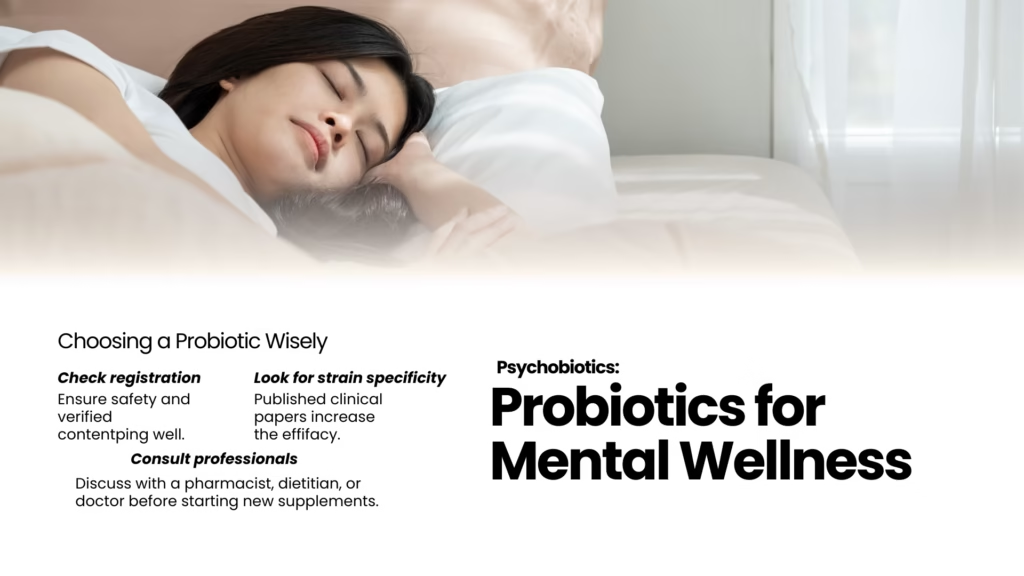
Choosing a Probiotic Wisely
When selecting any probiotic to support cognitive health:
- Check registration under the National Pharmaceutical Regulatory Agency (NPRA) to ensure safety and verified content.
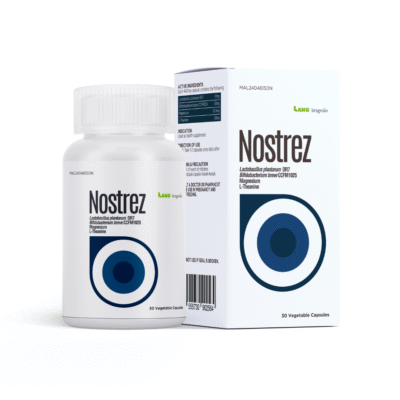
- Look for strain specificity (e.g., L. plantarum DR7, B. breve CCFM1025) rather than just “probiotic.”, as these specific strains are studied for mental health.
- Consult professionals — discuss with a pharmacist, dietitian, or doctor before starting new supplements, especially if you’re on medication.
Summary
Targeting the gut–brain axis is a promising, research-backed approach to supporting mental health naturally. While probiotics are not a cure for anxiety or depression, they may serve as valuable supplements in a holistic routine that includes a balanced diet, sufficient sleep, regular exercise, and professional psychological care.
Taking care of your gut, it turns out, may also be a gentle way of taking care of your mind. A balanced gut may support emotional well-being and help you feel calmer from within.
For more background on how psychobiotics work, visit: The Gut–Brain Connection- Why Digestive System Affects Stress, Mood, and Sleep.
Disclaimer: This information is for educational purposes only and should not replace advice from your doctor or healthcare professional. Please consult a qualified provider before making changes to your diet or health regimen.
About the Reviewer
Wennie Sin is a registered dietitian of the Malaysian Dietitians’ Association (MDA), with 12 years of professional experience in the healthcare industry. She focuses on developing innovative, trend-aligned health products and leading successful product launches. A regular speaker at public health talks and Continuing Medical Education (CME) sessions, Wennie is passionate about applying nutrition science into practical guidance that empowers healthier living and disease prevention.
References
- Appleton J. (2018). The Gut-Brain Axis: Influence of Microbiota on Mood and Mental Health. Integrative medicine (Encinitas, Calif.), 17(4), 28–32. [2]
- Bravo JA, Dinan TG, Cryan JF. The Vagus Nerve at the Interface of the Microbiota-Gut-Brain Axis. Frontiers in Neuroscience. 2018 Feb 8;12:49. Available from: https://www.frontiersin.org/journals/neuroscience/articles/10.3389/fnins.2018.00049/full
- Bektaş, A., Erdal, H., Ulusoy, M., & Uzbay, I. T. (2020). Does Serotonin in the intestines make you happy?. The Turkish journal of gastroenterology : the official journal of Turkish Society of Gastroenterology, 31(10), 721–723. https://doi.org/10.5152/tjg.2020.19554
- Hyland, N. P., & Cryan, J. F. (2010). A Gut Feeling about GABA: Focus on GABA(B) Receptors. Frontiers in pharmacology, 1, 124. https://doi.org/10.3389/fphar.2010.00124
- Ito, H., et al. (2024). Effects of probiotics on sleep parameters: A systematic review and meta-analysis. Clinical Nutrition ESPEN, 63, 623–630.
- Dinan, Timothy G. et al (2013). Psychobiotics: A Novel Class of Psychotropic. Biological Psychiatry, Volume 74, Issue 10, 720 – 726. https://doi.org/10.1016/j.jff.2022.104999
- Ansari, F., Neshat, M., Pourjafar, H., Jafari, S. M., Samakkhah, S. A., & Mirzakhani, E. (2023). The role of probiotics and prebiotics in modulating the gut-brain axis. Frontiers in Nutrition, 10, 1173660. https://doi.org/10.3389/fnut.2023.1173660